
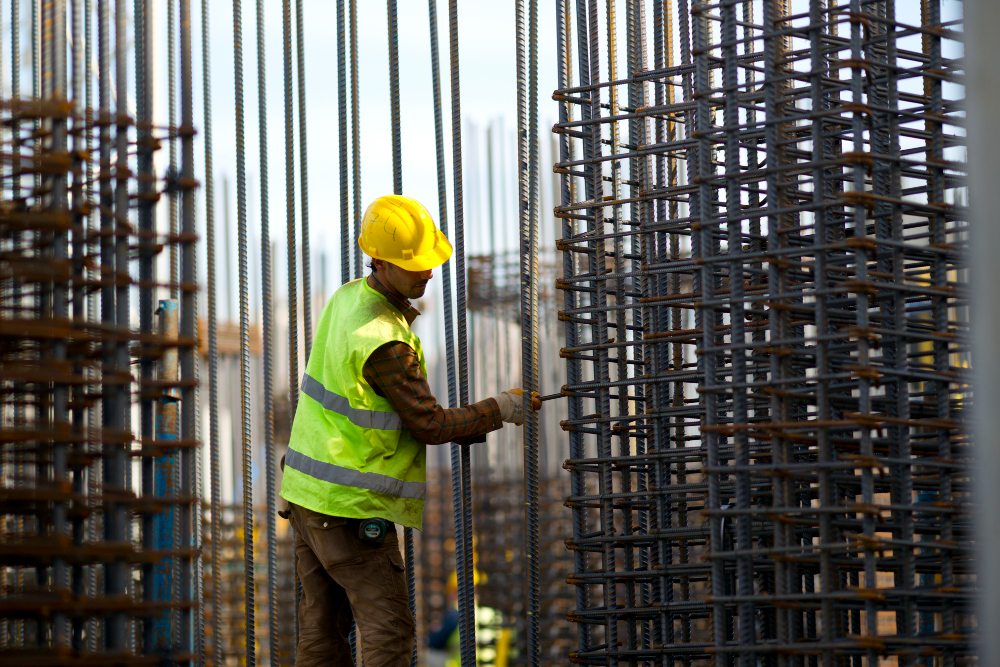
The Indian construction industry is one of the biggest contributors to the country’s economic growth, driven by rapid urbanization, infrastructure development, industrial expansion, and increasing residential demand. From smart cities and highways to commercial complexes and housing projects, construction activity continues to grow at a remarkable pace. However, behind every successful project lies a critical factor that often determines its timeline, budget, and quality: procurement.
For contractors, builders, developers, and project managers, sourcing the right materials at the right price and time is essential. This is where construction material suppliers play a pivotal role. They serve as the backbone of the construction supply chain, ensuring that projects receive the materials needed to meet specifications, quality standards, and deadlines.
The Importance of Procurement in Construction
Procurement is far more than simply purchasing materials. In construction, it involves planning, sourcing, negotiating, purchasing, transporting, and managing materials throughout the project lifecycle.
Construction materials often account for a significant portion of a project’s total cost. Any delay, price fluctuation, or quality issue can directly impact project profitability and delivery schedules.
Effective procurement helps businesses:
- Control project costs
- Maintain construction schedules
- Ensure quality compliance
- Minimize material wastage
- Reduce supply chain disruptions
- Improve project profitability
As projects become more complex, procurement strategies must evolve to address changing market conditions and increasing stakeholder expectations.
The Expanding Indian Construction Market
India’s infrastructure and real estate sectors have witnessed substantial growth in recent years. Government initiatives focused on urban development, transportation networks, industrial corridors, and affordable housing have created significant demand for construction materials.
This growing demand has increased the importance of dependable construction material suppliers who can provide consistent product availability and competitive pricing across diverse project requirements.
Today, procurement teams must navigate a dynamic marketplace that includes multiple suppliers, fluctuating commodity prices, logistical challenges, and strict project timelines.
The ability to manage these variables successfully often determines the overall success of any construction project.
The Role of Construction Material Suppliers
Construction material suppliers act as the link between manufacturers and construction companies. Their responsibilities extend beyond simply delivering products.
Reliable suppliers help businesses by:
- Ensuring timely material availability
- Maintaining product quality standards
- Offering competitive pricing
- Managing inventory requirements
- Providing technical product information
- Supporting bulk procurement needs
- Facilitating smooth logistics and delivery
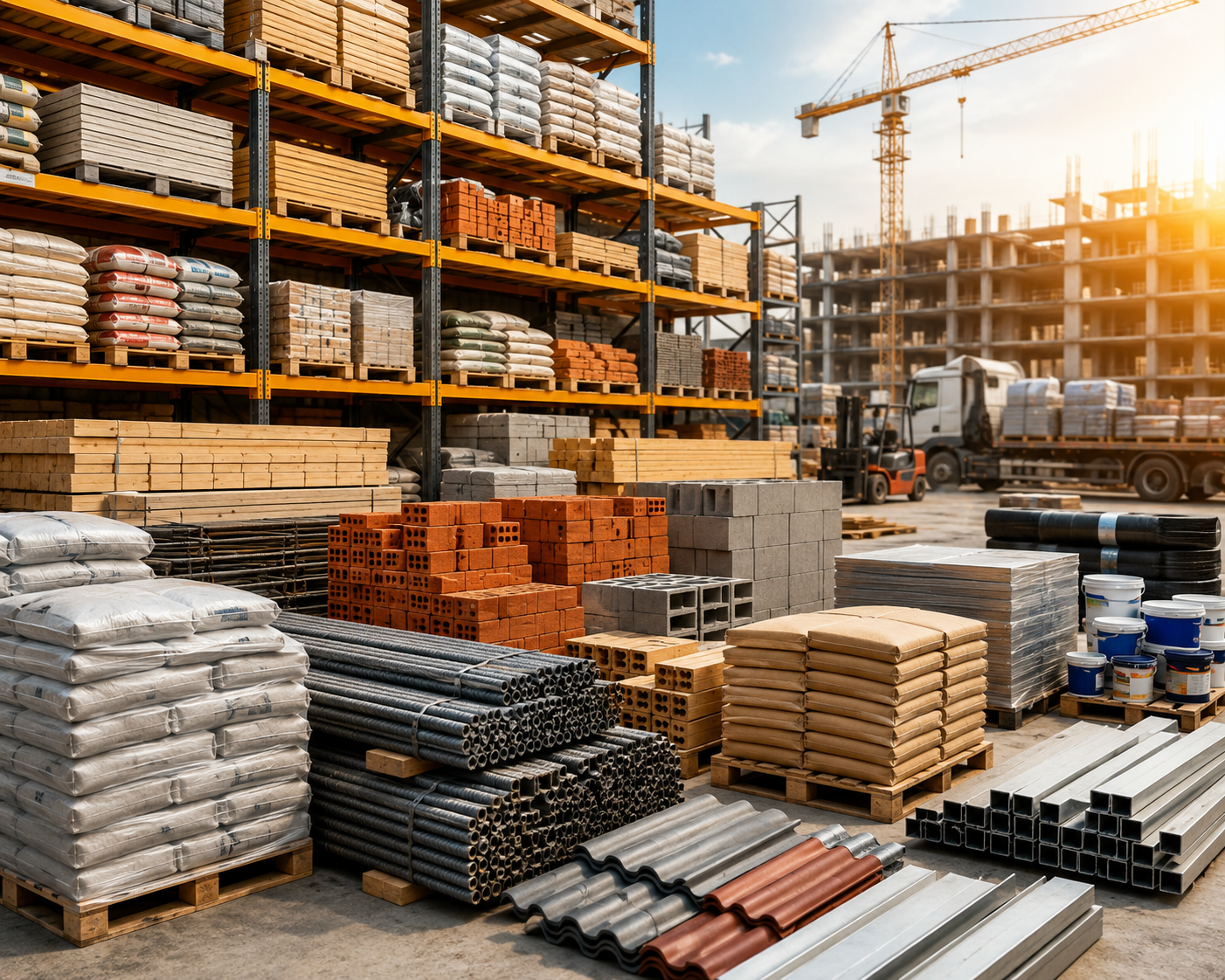
Whether the requirement involves cement, steel, aggregates, bricks, tiles, plumbing materials, electrical components, or finishing products, dependable suppliers help ensure uninterrupted project execution.
Choosing the right supplier can often mean the difference between any infrastructure project that stays on schedule and one that experiences costly delays.
The Procurement Challenges Facing the Indian Market
Despite significant advancements in construction technology, procurement remains one of the most challenging aspects of infrastructure project management.
- Price Volatility : Construction material prices can fluctuate due to market demand, raw material costs, transportation expenses, and global economic factors.
Materials such as steel, cement, aluminium, and fuel are particularly susceptible to price variations. Procurement teams must constantly monitor market trends and negotiate favourable contracts to protect project budgets.
- Supply Chain Disruptions: Unexpected events can disrupt the movement of construction materials, leading to delays in project execution.
Challenges may include:
- Transportation bottlenecks
- Weather-related disruptions
- Labor shortages
- Manufacturing delays
- Regional supply constraints
Working with experienced construction material suppliers helps mitigate these risks through better planning and supplier network management.
-
Quality Assurance
The quality of construction materials directly impacts structural integrity, durability, and project safety.
Using substandard materials can result in:
- Increased maintenance costs
- Project rework
- Safety concerns
- Regulatory compliance issues
Reliable suppliers maintain strict quality standards and ensure that materials meet required specifications and certifications.
-
Multiple Vendor Management
Large construction projects often require materials from numerous vendors. Managing separate supplier relationships, purchase orders, invoices, and deliveries can create administrative complexity.
An organized procurement strategy helps streamline supplier coordination and reduce inefficiencies.
-
Digital Transformation in Construction Procurement
The procurement landscape is changing rapidly with the adoption of digital solutions.
Today’s construction professionals increasingly rely on technology to improve procurement efficiency and supplier management.
Digital procurement platforms offer several advantages:
- Real-time supplier comparison
- Transparent pricing information
- Simplified quotation requests
- Faster ordering processes
- Digital documentation
- Improved inventory visibility
- Better supplier communication
These tools help procurement teams make informed purchasing decisions while reducing manual processes.
The shift toward digital procurement is also creating greater transparency within the construction supply chain, allowing businesses to evaluate suppliers based on pricing, availability, reliability, and performance.
How Construction Material Suppliers Influence Project Success
Supplier selection is no longer based solely on product availability. Modern procurement teams evaluate suppliers based on a variety of factors that contribute to project success.
- Reliability and Consistency : Consistent material availability prevents project delays and ensures construction activities proceed according to schedule.
Suppliers with strong inventory management and distribution networks provide greater operational confidence for builders and contractors.
- Competitive Pricing: Construction projects operate under strict budget constraints.
Experienced construction material suppliers help businesses control costs by offering competitive pricing structures, bulk order discounts, and long-term procurement partnerships.
- Logistics Capabilities: Timely deliveries are essential in construction.
A supplier’s ability to coordinate transportation, route planning, and delivery schedules can significantly impact construction productivity and resource utilization.
- Technical Expertise: Many suppliers provide valuable technical guidance regarding material selection, performance characteristics, and application suitability.
This expertise helps procurement teams make better purchasing decisions and optimize material utilization across projects.
Building Strong Supplier Relationships
Successful procurement goes beyond finding the lowest price. Long-term supplier partnerships often generate greater value through reliability, trust, and operational efficiency.
Strong relationships with construction material suppliers can provide benefits such as:
- Priority access to materials
- Better payment terms
- Volume discounts
- Faster issue resolution
- Consistent quality standards
- Improved project support
As construction projects become larger and more demanding, collaborative supplier relationships are becoming increasingly important for maintaining competitive advantages.
Conclusion
Procurement has become a strategic function within India’s growing construction industry. As projects become more complicated and timelines more demanding, businesses need dependable partners that can ensure material availability, quality, and cost efficiency.
Reliable construction material suppliers play a critical role in helping contractors, builders, and developers navigate procurement challenges while maintaining project performance. From managing supply chain risks and price fluctuations to supporting digital procurement initiatives, suppliers are essential contributors to construction success.
In an increasingly competitive market, organizations that invest in strong supplier relationships and modern procurement practices will gain a significant advantage in delivering high-quality projects on time and within budget.
Looking for trusted construction material suppliers who can simplify procurement and support your construction projects with quality materials and seamless delivery? Visit https://zhuzoor.com/ today!
READ POST